In Turkish seas bluefish and bonito peak mostly in autumn, red mullet in spring and summer, sardines in late summer and early autumn, and turbot in winter and spring. Horse mackerel is around most of the year; sea bass and sea bream are farmed, so they are available year-round. Trawling and purse-seine fishing usually stop on 15 April and restart in the Aegean on 1 September.
Why does seasonal fish matter?
Asking “which fish are in season, and when?” is the first step towards a good fish dinner. Fish caught in season is usually plumper and tastier. Because it's plentiful, it's often more reasonably priced, too. And not putting fish on the table during their spawning season is one of the simplest ways to protect the future of the sea.
In Kuşadası, the fish counter changes with this calendar too. Below you'll find what you need to know, from the fishing ban and the seasonal fish of each month to how to recognise fresh fish and why prices aren't fixed.
The fishing ban: 15 April–1 September
Every year, a fishing ban is imposed in Turkish waters to protect fish during their spawning season. Large-scale fishing such as trawling and purse seining usually stops on 15 April. In the Aegean, the Sea of Marmara and the Black Sea, the season reopens in most years on 1 September, the day fishermen greet with the cry “Vira Bismillah” (roughly, “Heave away, in the name of God”). Dates can vary by region and type of fishing gear; in the Mediterranean, for example, the season usually starts later.
The ban doesn't mean there's no fish to be had. During this period, the counters mostly carry inshore fish caught by small boats with nets and lines, along with farmed fish. The choice narrows a little in summer; with September, the counter fills with colour again. What's more, many species have a minimum catch size, and fish below that size may not be caught or sold.
Which fish in which month? A seasonal calendar
When do seasonal fish reach the counter? The calendar below is a general guide for Turkish waters. In the Aegean, the seasons can shift by a few weeks compared with the Black Sea and the Sea of Marmara, and the weather and the catch vary from year to year.
- September–October: The fishing season opens. Bonito (palamut) and bluefish (lüfer) season begins, while sardines (sardalya) keep the taste of late summer going. Horse mackerel (istavrit) is plentiful.
- November–December: These are the months when bluefish is most in demand. Torik, the larger size of bonito, usually appears around this time too. In the Black Sea, the main anchovy (hamsi) season begins.
- January–February: Time for winter fish. Anchovies and horse mackerel carry on, and turbot (kalkan) begins to take centre stage.
- March–April: Turbot continues, and red mullet (barbun) and striped red mullet (tekir) start to appear on the counters. The fishing ban begins in mid-April.
- May–June: The red mullet and striped red mullet season continues. While the big boats wait in port, inshore fishing and farmed fish come to the fore.
- July–August: Sardine time. Summer tables rely on horse mackerel and on farmed sea bass (levrek) and sea bream (çipura).
Fish available all year round
In Türkiye, sea bass and sea bream are largely farmed, which is why they're available all year round, regardless of the season. Wild-caught sea bass and sea bream exist too, but they're less common. Don't hesitate to ask at the counter which fish are farmed and which are wild. Salmon is usually farmed as well and is available in every season.
The Aegean's much-loved bottom-dwelling fish – pandora (mercan), dentex (sinarit), red porgy (fangri) and white sea bream (sargoz) – can be caught by inshore fishermen for most of the year, depending on the weather and the day. Scorpionfish (iskorpit) and gurnard (kırlangıç), with their flavourful flesh, are especially sought after for soups and buğulama, a gently steamed fish dish.
How should seasonal fish be cooked?
Cooking seasonal fish the right way is half the flavour. The general rules are simple:
- Oily fish: Bluefish, bonito and sardines cook on the grill in their own oil; rocket and red onion on the side are all they need.
- Small fish: Little ones such as red mullet and striped red mullet are usually dusted lightly with flour and pan-fried.
- White-fleshed fish: Sea bass, sea bream, pandora and dentex are simply grilled; larger ones also turn out well baked in the oven or as buğulama.
- Flatfish: Turbot, sole (dil) and flounder (pisi) are mostly pan-fried.
How can you tell if fish is fresh in Kuşadası?
You don't need to be an expert to choose fresh fish in Kuşadası. At the counter, just look for a few signs:
- Eyes: They should be bright, clear and plump. Cloudy, sunken eyes show that the fish has been sitting for a while.
- Gills: They should be bright red or pink. Darkened gills are not a good sign.
- Flesh: It should be firm and spring back straight away when pressed.
- Smell: Fresh fish smells of the sea. A heavy, sharp smell is a warning sign.
- Skin: It should look shiny and moist, with the scales held firmly in place.
If you're choosing from the counter at a restaurant, it's perfectly natural to ask when the fish came in. A good counter will answer that question with ease.
Why do fish prices in Kuşadası change every day?
Unlike many items on the menu, fish prices in Kuşadası aren't fixed. The price is set by that day's catch, the season, the weather and whether the fish is wild or farmed. On stormy days the boats can't go out, and the choice at the counter shrinks. Fish that is plentiful in season, meanwhile, is usually better value.
That's why fish restaurants usually quote the day's price or a price per kilo. Before your fish is cooked, it's a good habit to ask what it weighs and how that will be reflected on the bill. At a large table, sharing one big fish can be a practical option too. It also pays to ask which fish came in plentiful and fresh that day; more often than not, the right choice is the fish of the season.
Choosing from the counter at Şef Restaurant
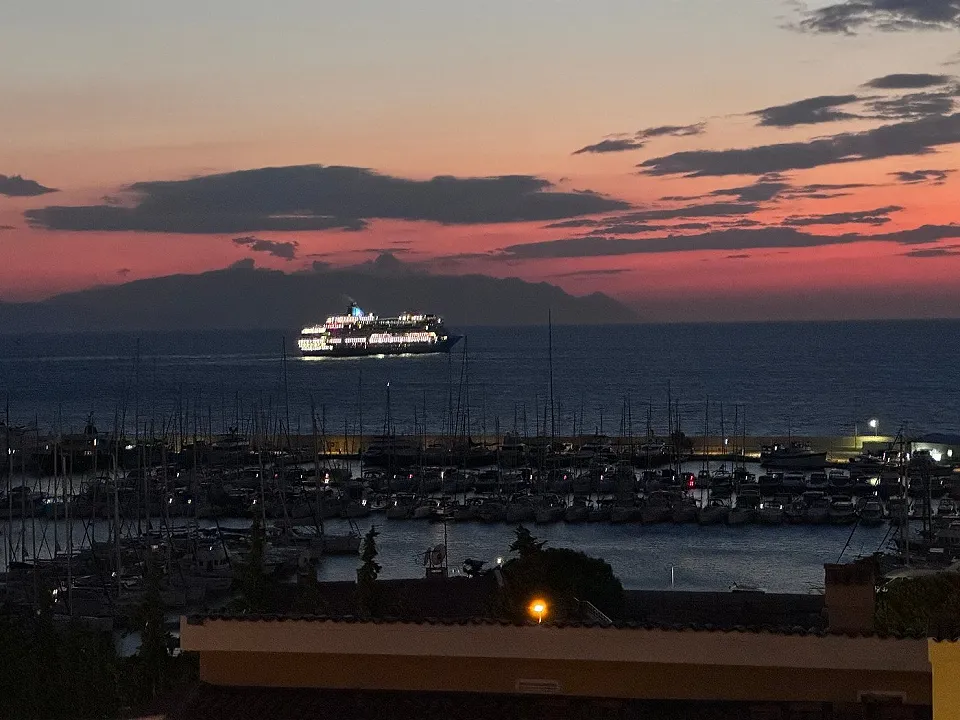
At Şef Restaurant Kuşadası, guests choose their own fish from the counter; fish are sold at the day's price or per kilo. The fish list includes many species, from sea bass, sea bream, pandora, dentex and red porgy to bluefish, red mullet and turbot. Which ones are on the counter depends on the season and the day. The restaurant was founded in 2004, and its owner and chef, Ahmet Öz, has been in the profession for more than 30 years. At Şef – one of the best fish restaurants in Kuşadası, with a terrace overlooking the marina – all you need to do is ask which seasonal fish is on the counter that day.
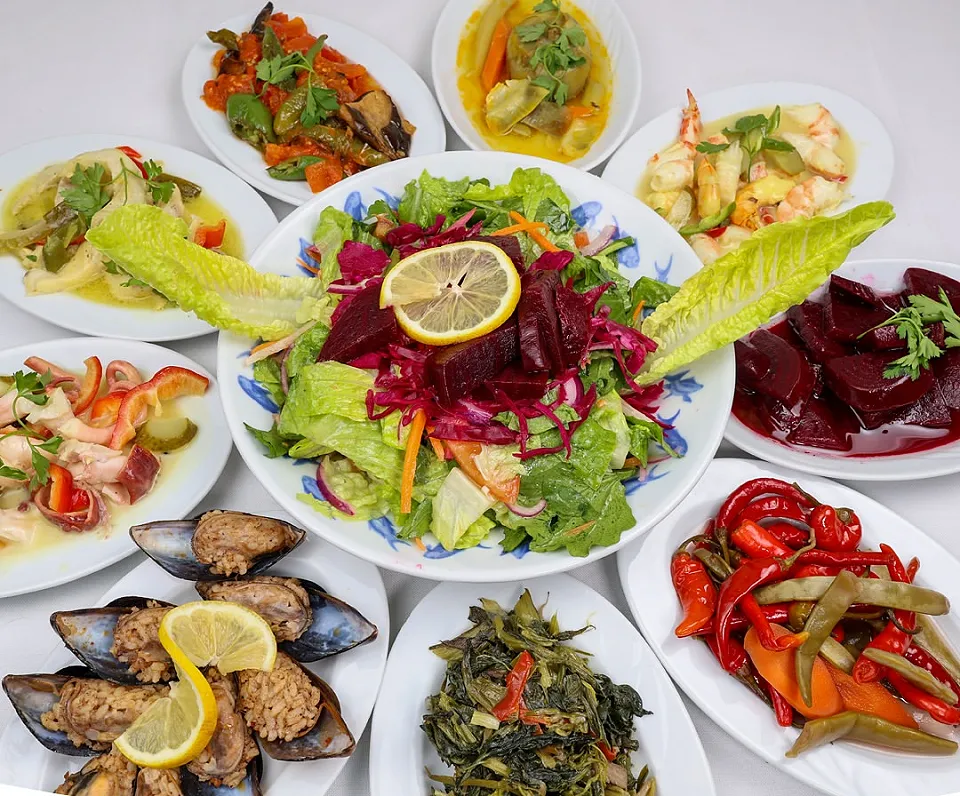
Cold mezes such as samphire, Girit ezmesi (Cretan dip) or cold sliced octopus go well with fish. For more ideas, see our What to eat in Kuşadası guide, and if you'd like to build your meal around rakı, have a look at our piece on the rakı and fish table. For weekends and sunset hours, booking your table in advance on the booking page makes things easier.